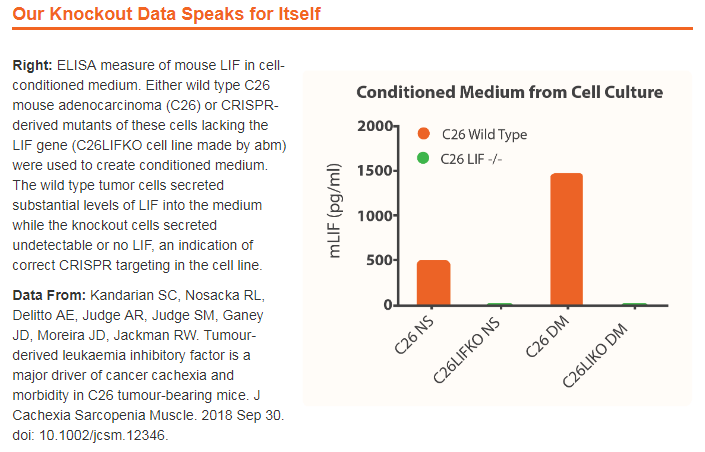

Risk Assessment in CRISPR Knockout Techniques
CRISPR/Cas9, often dubbed the Swiss army knife of genetic engineering, has revolutionized our approach to genome editing. This powerful tool allows us to cut, paste, and manipulate genes, presenting unprecedented possibilities in fields like research, medicine, and even agriculture.
Imagine having a Swiss watch and trying to figure out what each cogwheel does. You'd start by removing one piece at a time, right? Similarly, the knockout feature in CRISPR allows us to "remove" specific genes to study their functions or even correct genetic errors. It's essentially an investigative tool on a molecular scale, and its implications are immense.
Hold your horses! Before you dive into this intriguing world of genetic editing, it's crucial to understand the risks involved. Just as you wouldn't skydive without checking your parachute, embarking on a genome-editing journey with CRISPR requires a thorough risk assessment. A small oversight could potentially lead to a ripple effect of unintended genetic modifications.
Technical Considerations in CRISPR Knockout Techniques
Design of Single Guide RNA (sgRNA)
- Why sgRNA Design is Critical: Designing the Single Guide RNA (sgRNA) is arguably one of the most crucial steps in a CRISPR knockout experiment. Just like an archer aims for the bullseye, your sgRNA needs to be precisely aimed at the target gene you wish to knock out.
- The Risks of Getting It Wrong: If your sgRNA design is off the mark, you risk hitting off-target genes, which could have potentially devastating outcomes. For instance, off-target mutations could lead to cell death or even the triggering of cancerous growths. It's like shooting an arrow and hitting something you didn't intend to – the consequences could be severe.
- Best Practices: To minimize these risks, various algorithms and computational tools are available to predict the most effective and precise sgRNA sequences. Utilizing these tools for sgRNA design can significantly reduce the likelihood of off-target mutations. Moreover, pilot testing your sgRNA in a controlled environment can provide valuable insights into its efficiency and specificity.
Choice of Delivery Method for CRISPR Components
- Importance of the Right Delivery Method: Choosing how to deliver your CRISPR components into target cells is akin to selecting a courier service for a crucial package. Your choice will significantly affect the efficiency and effectiveness of the gene knockout process.
- Options and Their Implications: Common delivery methods include viral vectors, lipid nanoparticles, and even direct injection into the cell. Each has its pros and cons; for example, viral vectors can be highly efficient but may cause immune responses, whereas lipid nanoparticles are less likely to trigger immunity but may have lower efficiency. It's like choosing between FedEx for its reliability but higher cost, and a budget service that's cheaper but less reliable.
- Customizing the Delivery Based on Objectives: Different knockout projects may require different delivery methods, so it's vital to weigh your options carefully. Several factors like cell type, location, and the project's goal should influence your choice. You wouldn't send a fragile item via a rough-and-tumble delivery service, right?
Cellular Repair Mechanisms: Role of Non-homologous End Joining (NHEJ)
- The Quick Fix: NHEJ in CRISPR: After the CRISPR/Cas9 system makes its cut, the cell tries to repair the DNA break. One common repair mechanism is Non-homologous End Joining (NHEJ). It's the cellular equivalent of fixing a broken chair leg with duct tape: quick but not always precise.
- Potential Risks: This hurried repair job often leads to insertions or deletions (indels) at the cut site, which could cause frame-shift mutations and dysfunctional proteins. These unintended mutations can be a significant problem, especially if they occur in essential genes. Imagine if that hastily fixed chair leg snaps when you sit—definitely not what you'd want!
- The Role of a Complementary Donor: To ensure greater accuracy in DNA repair, researchers sometimes use a complementary DNA template along with the CRISPR components. This template guides the cellular repair machinery, enhancing the precision of the repair process. It's like having a more detailed instruction manual when you're patching up that chair.
- Opting for Alternatives: Homology Directed Repair: Another option is to use Homology Directed Repair (HDR) instead of NHEJ for more precise editing, although HDR is generally less efficient. It's like taking the extra time to find a perfect-match spare part for that chair, rather than using duct tape.
Identifying and Mitigating Off-Target Effects
Methods to Detect Off-Target Cleavages
CRISPR isn't perfect, and occasionally it might miss its target. Detecting these off-target effects is like playing a high-stakes game of hide-and-seek, where missing even one can lead to significant complications. Various methodologies are in place to catch these unintended edits early on.
Strategies to Decrease the Risk of Unwanted Mutations
Prevention is better than cure, as they say. Utilizing optimized sgRNA designs and computational models can substantially reduce the likelihood of unintended mutations.
Risk Assessment Strategies in CRISPR Knockout Techniques
Large-Scale In Vitro and In Vivo CRISPR Knockout Screening
The "Why" Behind Large-Scale Screening
Large-scale screening, both in vitro (in a controlled lab environment) and in vivo (in a living organism), is similar to casting a wide net during a fishing expedition. The broader your scale of screening, the more comprehensive your data will be, allowing you to identify potential issues before they become catastrophic failures. I've found that large-scale screening essentially serves as a safety net—enabling us to catch potential off-target mutations or unexpected interactions before they can do any harm.
My Experience in Large-Scale Screening
In my past work, I used large-scale in vitro screening to investigate a particular gene associated with cellular metabolism. The sheer scale allowed us to identify several off-target effects that were not apparent in smaller pilot studies. Had we skipped this step and gone straight to in vivo testing or clinical trials, we might have faced unforeseen complications. The larger the net, the more we caught; it's as simple as that.
The Value of Dual Screening Approaches
Performing both in vitro and in vivo large-scale screening offers a balanced view of CRISPR's behavior in controlled and more "natural" environments. From our in vivo trials on mice, we found that some of the issues flagged in vitro were less prominent, perhaps due to the complexity of biological systems. However, new risks that were not visible in vitro also emerged, highlighting the importance of dual screening for comprehensive risk assessment.
Development of Fitness Score Models for Improved Risk Assessment
The Concept of a Fitness Score Model
Having a fitness score model for your CRISPR experiments is akin to using GPS navigation for a journey. A well-constructed model can give you a quantitative measure of the benefits and risks of your genetic alterations, particularly in sensitive fields like cancer research.
First-Hand Experience: Implementing Fitness Score Models
I once worked on a CRISPR project aimed at knocking out a gene implicated in tumor growth. Utilizing a fitness score model helped us systematically quantify the efficacy of our knockout strategy against potential risks like off-target mutations. It was a bit like having a GPS that not only told us the best route but also highlighted potential roadblocks and hazards.
Why It Matters in Critical Research Areas
In fields like cancer research, where the stakes are incredibly high, having a quantitative risk assessment tool is invaluable. During our project, the fitness score model revealed that our approach had a higher risk profile than initially assumed. This discovery led us to refine our sgRNA design and delivery method, ultimately making the project safer and more effective.
Balancing Risks and Benefits
The fitness score model doesn't just highlight the negatives; it also pinpoints areas where your approach excels. In our project, it became clear that despite some risks, our strategy had significant potential in reducing tumor size. It was like our GPS saying, "There may be some bumps in the road, but your destination is worth it."
Addressing Security Risks
Potential for Development of Pathogenic Organisms: The Pandora's Box of Genome Editing
The Dual Nature of Genome Editing
CRISPR and other genome-editing technologies are a double-edged sword. On one hand, they promise revolutionary breakthroughs in medicine and other scientific fields. On the other, they carry the potential to create harmful, even pathogenic organisms. The situation is much like opening a Pandora's box; once opened, it might release unforeseen and uncontrollable factors that could have dangerous implications.
My Personal Encounters with Biosecurity Concerns
In a previous research project, we worked on editing genes to produce bacteria that could digest plastic waste more efficiently. The project had a noble goal, but the security risks were ever-present. There was a plausible concern that our engineered bacteria, if released into the environment, could become pathogenic or disrupt natural ecosystems. Consequently, we had to work in a tightly regulated environment and follow strict biosecurity protocols.
Mitigation Strategies
Stringent regulatory frameworks are essential to mitigate these risks. During my work, all research was subjected to multiple levels of review, from institutional oversight to national regulatory bodies. The goal was to identify any potential for pathogenic development and address it before moving to more advanced stages of research.
Risk-Benefit Assessments in Human Enhancement Applications: The Spider-Man Principle
The Gravity of Ethical Responsibility
In the realm of human enhancement—whether it be increasing physical capabilities, cognitive functions, or even extending lifespan—CRISPR has enormous potential. However, as the saying "With great power comes great responsibility" suggests, the ethical implications are enormous. Ethical considerations are not a side issue; they are central to the entire enterprise.
The Importance of Comprehensive Risk-Benefit Assessments
In this context, risk-benefit assessments go beyond simply measuring the scientific risks and benefits. They also encompass ethical, societal, and even philosophical dimensions. In our advisory panel, we didn't just consult scientific experts; we also brought in ethicists, legal experts, and social scientists to ensure a multi-dimensional risk assessment.
Guidelines and Standards for Risk Assessment
Available Guidelines for Optimized Gene Knockout: The Map to Navigating CRISPR Safely
Importance of Established Guidelines
Given the complex and high-risk nature of genome editing, having comprehensive guidelines is invaluable. Think of it as having a well-charted map while navigating unfamiliar and potentially dangerous terrain. These guidelines offer crucial road signs for each stage of the genome-editing process, from design to implementation and monitoring.
My Experience Following Guidelines
In a previous genome editing project targeting specific metabolic pathways in plants, we strictly adhered to various established guidelines. They provided us with criteria for selecting appropriate target genes, optimizing sgRNA sequences, and evaluating off-target effects. Following these guidelines not only streamlined the project but also significantly mitigated the risks of unintended consequences.
Key Features of Comprehensive Guidelines
Effective guidelines typically encompass several key aspects:
-
- Target Selection: Guidelines for choosing genes that are most relevant to the desired outcome.
- sgRNA Design: Recommendations on designing sgRNA that maximize efficiency and minimize off-target effects.
- Delivery Methods: Best practices for safely and effectively introducing the CRISPR components into target cells.
- Monitoring and Evaluation: Post-editing procedures to assess the success and detect any unintended mutations or effects.
Regulatory Framework and Industry Standards: The Rulebook of Responsible Genome Editing
The Imperative for Compliance
Compliance with established regulations and industry standards is more than a necessity; it's an ethical imperative. Such standardization not only ensures the scientific rigor of genome editing projects but also fosters a culture of responsibility and ethical conduct within the research community.
Personal Encounters with Regulatory Frameworks
During my involvement in a genome editing project focused on human gene therapies, we had to comply with numerous regulations at both national and international levels. Regulatory oversight extended from the initial proposal to clinical trials and included ethical review boards, biosafety committees, and data-monitoring entities.
Pillars of Regulatory Frameworks
In my experience, effective regulatory frameworks often consist of:
-
- Ethical Approval: Requiring approval from an ethical review board to ensure that the study design meets ethical standards.
- Safety Protocols: Mandating comprehensive safety measures and biocontainment strategies.
- Transparency: Requiring detailed record-keeping and open sharing of methods, findings, and safety measures.
- Audit and Compliance Checks: Regularly scheduled reviews by internal and external auditors to ensure ongoing compliance.
Your Takeaway today is...
In the rapidly evolving realm of genome editing, robust risk assessment strategies serve as indispensable shields, fortifying our scientific endeavors against unforeseen pitfalls. From leveraging large-scale in vitro and in vivo CRISPR knockout screenings to the development of fitness score models, risk-benefit analyses, and steadfast adherence to regulatory frameworks, being forewarned is indeed being forearmed.
Yet, as CRISPR technology continues to mature, our journey through this brave new world is far from over. With emerging technological capabilities come escalating ethical and safety considerations, signifying an exciting but challenging future that mandates an ever-evolving, data-driven approach to risk assessment to ensure we navigate this transformative landscape both safely and ethically.
 |
Written by Claire Johnson, Senior Scientist Claire Johnson, a Senior Scientist at abm, brings an impressive 8 years of expertise to the forefront of CRISPR technology. With a Ph.D. in Molecular Biology, her hands-on experience in CRISPR research has led to innovative gene silencing solutions and significant contributions to the field. Claire's passion for exploring genetics has resulted in numerous breakthroughs, and her ability to translate complex scientific concepts into accessible knowledge makes her a valuable asset to both the research community and abm. Her dedication to excellence continues to inspire and drive the success of the company's mission to revolutionize gene silencing. |
Resources
-
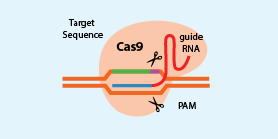
Introduction to CRISPR
CRISPR Knowledge Base -
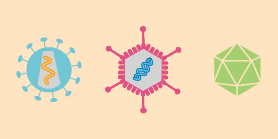 CRISPR-Methods and Tools
CRISPR Knowledge Base -
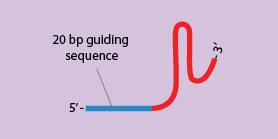
CRISPR-gRNA Design
CRISPR Knowledge Base -
CRISPR for Gene Activation and Repression
CRISPR Knowledge Base
-
CRISPR Experiment Design Tool
CRISPR Tools -

CRISPR Knockout Manual
CRISPR Guides/Manuals -
CRISPR Case Studies
CRISPR Guides/Manuals -
CRISPR KO Results
Product Data