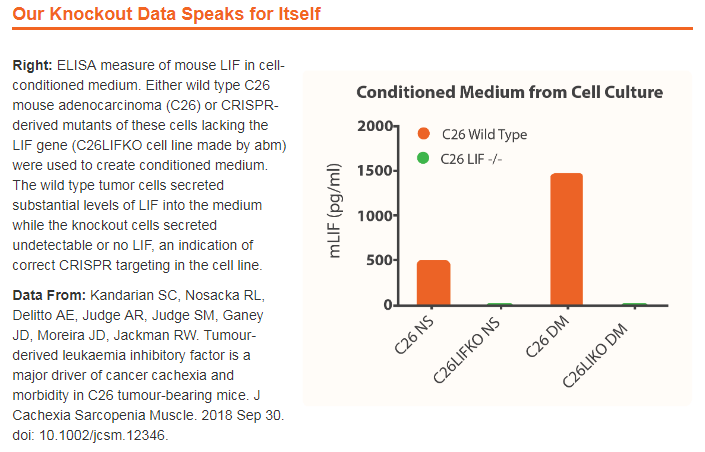

What You Need to Know About Cell Line Generation for Research
In the ever-evolving field of biotechnology, the generation of cell lines serves as a cornerstone for myriad research and clinical applications. As a seasoned biotech lab researcher specializing in CRISPR cell lines and gene editing, I've witnessed first-hand the transformative power of CRISPR-Cas9 technology in accelerating cell line creation. The precision and efficiency brought forth by CRISPR-Cas9 have significantly outpaced traditional systems like ZFN and TALEN, making it a preferred choice among researchers and industrial distributors alike.
My journey into the CRISPR realm began with a simple yet ambitious goal: to streamline the process of generating robust cell lines for cancer research. The initial days were filled with anticipation mingled with a fair share of hurdles. Yet, with each passing project, the prowess of CRISPR-Cas9 technology unfolded, paving the way for groundbreaking discoveries.
Understanding CRISPR-Cas9 Technology
Basic Mechanism of CRISPR-Cas9
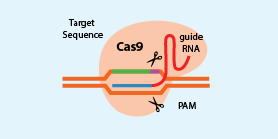
The allure of CRISPR-Cas9 lies in its simplistic yet powerful mechanism. The technology employs short synthetic stretches of guide RNA to navigate the Cas9 enzyme to a specific location within the genome. The beauty of this mechanism resonates through its precision—the Cas9 enzyme meticulously cleaves the DNA, three bases from the end of the target sequence, allowing for precise replacement, deletion, or insertion of genomic material.
Applications of CRISPR-Cas9 in Cell Line Generation
CRISPR-Cas9 technology has broadened the horizons in the field of cell line generation. The ability to generate knockout clones in mammalian cells has been a significant advancement, facilitating a deeper understanding of gene functions and associated diseases. Furthermore, the advent of CRISPR-engineered human natural killer cell lines has opened new avenues for both research and therapeutic applications, heralding a new era of personalized medicine.
The Process of CRISPR Cell Line Generation
Designing the Knockout Guide
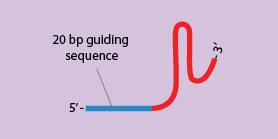
Crafting the perfect knockout guide is akin to choosing the right key for a lock. The guide RNA (gRNA) serves as that key, directing the Cas9 enzyme to the specific genomic location destined for editing. My initial days in the lab were consumed with understanding the nuances of different guide RNA formats. Among the options, single guide RNA (sgRNA), a two-part oligo system of cr:tracrRNA, in vitro-transcribed RNA, plasmid, and lentivirus, each had its own set of advantages and challenges.
I recall the days when my team and I would huddle around the lab bench, meticulously designing guides, each with its own promise of success. The choice between using plasmids and lentiviruses often boiled down to the cell type we were working with. Lentiviruses were our go-to for those stubborn, hard-to-transfect cells, despite the additional time and selection agents required. On the other hand, sgRNAs were the unsung heroes, reducing off-target effects and speeding up the editing process.
Transfection
Transfection, the process of introducing the gene-editing machinery into the cells, often posed as a formidable challenge. The efficiency of this step is paramount, as it sets the stage for the subsequent knockout event. Each cell type, with its unique characteristics, demanded a tailored approach for successful transfection.
Our early attempts at transfection were a blend of excitement and frustration. The right conditions required a mix of patience, optimization, and sometimes, a bit of luck. Stem and primary cells, as well as immune and hematopoietic cell lineages, were particularly tricky customers. Their altered cell repair mechanisms and lower cell viability required a thorough understanding and meticulous planning. Yet, with each successful transfection, the path to generating knockout cell lines became clearer.
Enrichment, Single-cell Isolation, and Expansion
The journey from transfection to a homogenous population of knockout cells is a meticulous one. Clonal selection, though not essential, is often the best practice to ensure a uniform cell population with the desired knockout. This stage is a blend of art and science, balancing the rigorous screening of clones with optimized growth conditions to nurture the fledgling knockout cells.
The process of enrichment, single-cell isolation, and expansion often reminded me of a meticulous gardener tending to his prized plants, ensuring they thrive and flourish. The joy of identifying the right clone and witnessing the expansion of a healthy population of knockout cells was unparalleled.
Challenges and Solutions
The voyage through the realms of CRISPR cell line generation is dotted with challenges. Yet, with each hurdle, solutions emerge, often leading to optimized protocols and better understanding.
Common Challenges in CRISPR Cell Line Generation
The tale of CRISPR cell line generation is not devoid of challenges. Each step, from guide design to transfection and clone selection, brings its own set of hurdles that demand attention and resolution. The standard workflow often stretches over a span of five months, with researchers navigating through a maze of trial, error, and learning.
I vividly remember the nights spent poring over data, tweaking protocols, and preparing for the next round of experiments. The elusive success in the early days was a tough teacher, yet it shaped our approach, making our protocols more robust and reproducible.
Solutions and Optimizations
Amidst the challenges, the beacon of solutions shines bright. Automation and large-scale CRISPR operations have emerged as game changers, streamlining the workflow and reducing the time to generate knockout cell lines. Moreover, collaborating with experienced service providers for custom-designed stable cell lines has proven to be a worthwhile investment, saving time and ensuring success.
Future Directions and Conclusion
Next-Generation CRISPR Technologies
The narrative of CRISPR and cell line generation is far from over. With each passing day, the realm of gene editing unveils new technologies and methodologies that promise to refine our approach further. Next-generation CRISPR technologies such as base editing and prime editing are on the horizon, offering a glimpse into a future where gene editing could be performed with unprecedented precision and ease.
My exposure to base editing, a method that allows for the direct conversion of one base to another without double-strand breaks, was a revelation. It opened up avenues for correcting point mutations with minimal undesired byproducts. Similarly, prime editing, with its ability to introduce precise insertions, deletions, and all 12 possible point mutations without requiring double-strand DNA breaks or donor DNA, presented a new frontier of possibilities.
The ever-evolving landscape of CRISPR technologies keeps those of us in the field on our toes, eagerly awaiting the next breakthrough that could redefine the paradigms of cell line generation and gene editing.
Implications for Research and Therapeutic Applications
The ripple effect of advancements in CRISPR technology and cell line generation reaches far and wide. It's not just about creating robust cell lines; it's about unlocking the potential to delve deeper into the intricacies of gene function, unraveling the mysteries of diseases at a genetic level, and paving the way for innovative therapeutic solutions.
The generation of CRISPR-engineered human natural killer cell lines, for instance, heralds a promising era for cancer immunotherapy and other therapeutic applications. Each successful knockout cell line created, each precise edit made, brings us a step closer to understanding the complexity of life at a molecular level and devising strategies to combat a myriad of diseases.
As I reminisce about my journey through the realms of CRISPR technology and cell line generation, the blend of challenges, triumphs, and the incessant quest for knowledge echoes through every step. The field is a vast expanse of unchartered territories waiting to be explored, with each discovery propelling us further into the abyss of the unknown.
The collaboration between industrious researchers, the relentless pursuit of perfection in protocols, and the camaraderie shared among teams striving towards a common goal have been the cornerstone of progress in this field. The horizon of CRISPR cell line generation is bright, with the promise of uncovering the untold stories encrypted within the genes, awaiting decipherment.
As we continue to hone our skills, optimize our protocols, and embrace the advancements in CRISPR technologies, the journey towards a future filled with promise and discovery is a thrilling prospect. The quest for knowledge is a never-ending journey, and in the world of CRISPR cell line generation, the adventure is as exhilarating as the destination.
 |
Written by Claire Johnson, Senior Scientist Claire Johnson, a Senior Scientist at abm, brings an impressive 8 years of expertise to the forefront of CRISPR technology. With a Ph.D. in Molecular Biology, her hands-on experience in CRISPR research has led to innovative gene silencing solutions and significant contributions to the field. Claire's passion for exploring genetics has resulted in numerous breakthroughs, and her ability to translate complex scientific concepts into accessible knowledge makes her a valuable asset to both the research community and abm. Her dedication to excellence continues to inspire and drive the success of the company's mission to revolutionize gene silencing. |
Resources
-
Introduction to CRISPR
CRISPR Knowledge Base -
 CRISPR-Methods and Tools
CRISPR Knowledge Base -
CRISPR-gRNA Design
CRISPR Knowledge Base -
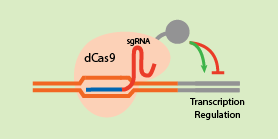
CRISPR for Gene Activation and Repression
CRISPR Knowledge Base
-
CRISPR Experiment Design Tool
CRISPR Tools -

CRISPR Knockout Manual
CRISPR Guides/Manuals -
CRISPR Case Studies
CRISPR Guides/Manuals -
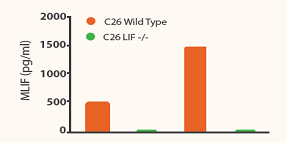
CRISPR KO Results
Product Data