
Mistakes to Avoid When Selecting a Cell Line Generation Service
Meta description for the article:
"Unlock the hidden secrets of CRISPR cell line generation with our comprehensive guide. From quality assurance to technical expertise, discover the 5 critical mistakes that could derail your research or industrial project. Whether you're a seasoned expert or a novice in CRISPR cell line procedures, these insights are tailored to guide you to success. Don't let common pitfalls hold you back—learn from an industry leader and make the right choices today!"
This meta description is designed to intrigue readers by highlighting the value and insights offered in the article, all while focusing on the keyword phrase "CRISPR cell line."
5 Mistakes to Avoid When Selecting a Cell Line Generation Service
The world of biotechnology is fascinating and vast, and perhaps one of its most groundbreaking aspects is the generation of specific cell lines using advanced techniques like CRISPR and gene editing. As an experienced biotech supplier with years of hands-on experience, I've seen firsthand the pivotal role these technologies play in research and industrial applications. Whether you're a young graduate or an experienced industrial researcher, the choice of the right cell line generation service is vital. Here, I'll share the 5 key mistakes you must avoid when selecting such a service and sprinkle in some personal anecdotes to highlight the importance of each point.
Mistake 1: Ignoring Quality Assurance
Selecting Providers with Robust Quality Control
Look for providers with rigorous quality control measures in place. Traceability and, documentation are crucial. A provider who can demonstrate these attributes is one you can trust. My experience has taught me that cutting corners with quality control is a gamble that rarely pays off.
Mistake 2: Overlooking Expertise in CRISPR Technology
a. The Complexity of CRISPR and Gene Editing
CRISPR technology has revolutionized cell line generation, but it's not a one-size-fits-all solution. Understanding the intricacies requires extensive expertise. I recall a project where a lack of CRISPR understanding led to off-target effects, setting the research back months.
b. Assessing the Provider's Technical Expertise
When selecting a provider, evaluate their technical know-how by looking at skilled personnel, research publications, and industry reputation. I've found that collaborating with experts in the field not only ensures success but also fosters innovation and growth.
Mistake 3: Failing to Consider Scalability and Customization
a. Scalability for Industrial Applications
As a supplier, I've seen projects that started small but quickly grew in scope. One client, in particular, had to switch providers midway through a project because the initial service couldn't scale up. It's a painful lesson in the importance of planning for the future.
b. Customization for Specific Research Needs
Every project is unique, and off-the-shelf solutions rarely suffice. I once worked with a research team whose specific needs were initially overlooked, leading to delays and rework. Ensure that your provider can offer tailored solutions that align with your project's requirements.
Mistake 4: Neglecting Post-Purchase Support and Collaboration
a. The Need for Ongoing Support
Post-purchase support is often an afterthought but is essential for long-term success. I remember a situation where a lack of timely technical support caused a minor issue to escalate, costing valuable time and resources.
b. Building a Collaborative Relationship
Fostering a long-term relationship with the provider has been a key factor in many of my successful projects. Open communication, mutual respect, and collaboration go a long way. Collaborative relationships often yield unexpected benefits and innovations.
Mistake 5: Prioritizing Cost over Value
a. Understanding the Full Cost Structure
Early in my career, I made the mistake of choosing a service based solely on the initial price. Hidden costs emerged, and the perceived savings evaporated. It's a common mistake, but one that's easily avoided by considering the long-term investment rather than short-term savings.
b. Evaluating Value through a Comprehensive Lens
Assessing the overall value of a service involves looking beyond the price tag. Quality, expertise, scalability, support, and customization are equally important. I've learned that the best choices often involve a balanced consideration of these factors.
So…
Selecting the right cell line generation service is a complex decision, filled with potential pitfalls. But having navigated this landscape for years, I can assure you that careful consideration of quality, expertise, scalability, support, and value will steer you in the right direction.
Avoiding the mistakes I've outlined here isn't just about preventing problems; it's about positioning yourself and your projects for success. Whether you're a researcher in your 20s or an industrial scientist in your 40s, these insights are universal.
In my years in the industry, I've come to recognize that the most successful projects are those where the provider and the client work in tandem, respecting each other's expertise and sharing a common goal. It's a partnership, and like all partnerships, it thrives on trust, communication, and shared values.
I invite you to reach out for further consultation or engagement with our team. We are here to support your endeavors in the exciting world of CRISPR cell lines and gene editing. Together, we can explore the uncharted territories of biotechnology and make a meaningful impact on the world.
Additional Resources
For more information on guidelines, regulations, and to connect with our expert team, please find the links and contact details below. We are here to guide you on this exciting journey. Feel free to reach out abmgood with any questions or inquiries.
Resources
-
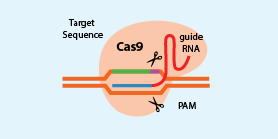
Introduction to CRISPR
CRISPR Knowledge Base -
 CRISPR-Methods and Tools
CRISPR Knowledge Base -

CRISPR-gRNA Design
CRISPR Knowledge Base -
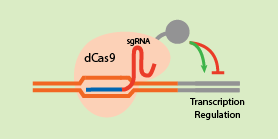
CRISPR for Gene Activation and Repression
CRISPR Knowledge Base
-
CRISPR Experiment Design Tool
CRISPR Tools -
CRISPR Knockout Manual
CRISPR Guides/Manuals -
CRISPR Case Studies
CRISPR Guides/Manuals -
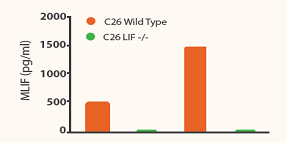
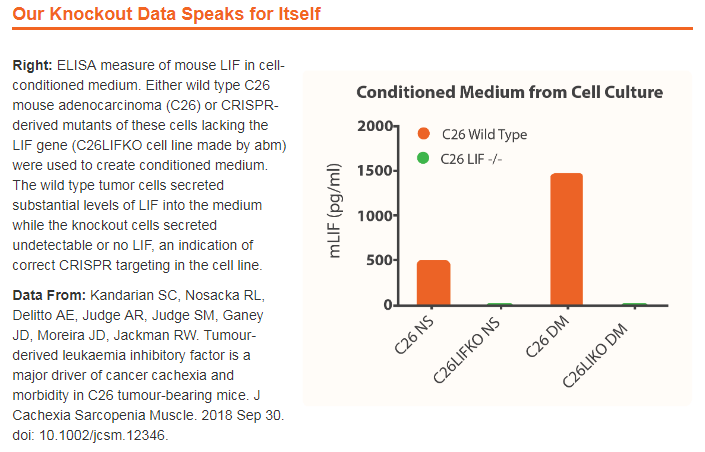
CRISPR KO Results
Product Data