
Comparing CRISPR Cell Line Knockout with Traditional Methods: The Ultimate Comparison!
Welcome to the world of gene silencing, where revolutionary technologies like CRISPR have transformed the landscape of biotech research. As an experienced biotech lab researcher specializing in CRISPR cell lines and gene silencing, I am thrilled to share with you the ultimate comparison between CRISPR cell line knockout and traditional methods. Whether you are a pharmaceutical company or a university researcher looking for the best gene silencing service, this article will provide you with valuable insights and help you make informed decisions.
Traditional Methods of Gene Silencing:
For decades, scientists have relied on traditional methods of gene silencing. These have been vital in making significant discoveries, but they also have their limitations. The two primary traditional techniques are:
- TALEN: TALENs are artificial restriction enzymes that consist of a TAL effector DNA-binding domain fused to the DNA nuclease domain from the enzyme FokI.
- RNAi: RNA interference (RNAi) exploits the endogenous system for miRNA-induced gene silencing to artificially inhibit gene expression via transcriptional regulation.
Together, they work to create precise alterations at the cellular level- just click the links above, and you can browse our learning resources to gain a thorough understanding of the mechanism of CRISPR.
Advantages of Traditional Methods
These techniques have paved the way for essential advancements in the field of genetics. They have allowed researchers to:
- Explore gene functions
- Develop therapeutic strategies
- Understand underlying genetic diseases
Limitations of Traditional Methods
Despite their successes, traditional methods of gene silencing have some notable drawbacks:
- Low Efficiency: Achieving precise gene modifications can be challenging. The efficiency of traditional methods is often low, leading to difficulties in achieving the desired results.
- Time-Consuming: The time required for optimization and troubleshooting can significantly delay research projects. It often takes substantial effort to refine the process to achieve the necessary precision.
- Potential Risks and Complications: Depending on the specific technique, there may be associated risks or complications that can further hinder the progress of research.
Traditional methods of gene silencing have been essential in advancing scientific understanding but come with their own set of challenges. The limitations of these methods are driving researchers to explore new and more efficient techniques that can overcome these hurdles and pave the way for further groundbreaking discoveries in genetics.
CRISPR Cell Line Knockout: A Game-Changer in Gene Silencing
The emergence of CRISPR (Clustered Regularly Interspaced Short Palindromic Repeats) technology has revolutionized the field of gene silencing. Here's a closer look at this groundbreaking method:
Just in case you may ask, what is CRISPR?
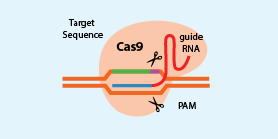
Enter CRISPR, a unique system derived from bacteria, that has become a game-changer in gene editing and silencing. This technology has several key components:
- CRISPR-Cas9 System: The core of the technology that includes a guide RNA molecule and the Cas9 protein.
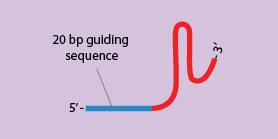
- Guide RNA Molecule: Helps in identifying the specific genes that need to be targeted.
- Cas9 Protein: Acts as "molecular scissors" to make precise modifications to the targeted genes.
Together, they work to create precise alterations at the cellular level- just click the links above, and you can browse our learning resources to gain a thorough understanding of the mechanism of CRISPR.
Applications and Possibilities
This revolutionary approach has opened up endless possibilities across various research fields:
- Developing Disease Models: CRISPR allows for the creation of accurate models to study diseases, providing insights into their underlying mechanisms.
- Studying Gene Function: By enabling precise modifications, researchers can investigate how individual genes function within an organism.
- Potential Therapies: There are growing prospects for utilizing CRISPR in therapeutic applications, such as treating genetic disorders.
CRISPR technology is a game-changer in the world of gene editing and silencing, providing precision, efficiency, and versatility. From developing advanced disease models to unlocking the potential for innovative treatments, CRISPR continues to be a powerful tool that promises to drive the next wave of discoveries and applications in genetic research.
Efficiency and Precision Comparison:
When comparing traditional methods with CRISPR cell line knockout in gene silencing, the latter clearly stands out for its efficiency and precision. Here's a detailed look at why CRISPR is seen as a superior approach:
Enhanced Efficiency
CRISPR's efficiency is a significant improvement over traditional gene silencing methods:
- Higher Success Rates: The targeted nature of CRISPR ensures better outcomes in gene silencing experiments.
- Time and Resource Savings: Researchers, including the author, have experienced substantial time and resource savings in the lab.
Precision in Gene silencing
The CRISPR method is particularly known for its precision:
- Accurate Modifications: Researchers can achieve exact alterations with minimal off-target effects.
- Reduced Unintended Changes: By being so precise, CRISPR minimizes the chances of unintentional changes in the genome, making the results more reliable.
Importance in Various Fields
This level of precision is vital in different areas of research:
- Studying Gene Function: Understanding individual genes' roles in an organism becomes more accurate and insightful.
- Developing Potential Therapies: The ability to edit genes with such accuracy opens doors for innovative treatments and therapies.
In my own research, I have witnessed firsthand the remarkable efficiency and precision of CRISPR cell line knockout, saving valuable time and resources in the lab. CRISPR cell line knockout not only outshines traditional methods in terms of efficiency but also provides a level of precision that's crucial for advancing research in gene function and therapy development. Its targeted nature and the ability to minimize off-target effects make CRISPR a revolutionary tool, saving valuable time and resources in scientific labs.
Making the Choice
Researchers are increasingly recognizing CRISPR as a superior option for gene silencing:
- Saving on Resources: With CRISPR, researchers can save on reagents, labor, and overall resources.
- A More Economical Choice: there are many commercially available and affordable CRISPR tools, making CRISPR a more cost-effective choice compared to traditional methods.
In the fast-paced, competitive environment of biotech research, the streamlined process and cost-effectiveness of CRISPR cell line knockout are making it a preferred method for gene silencing, offering significant advantages over traditional techniques.
Let’s see how CRISPR helps scientists in real game.
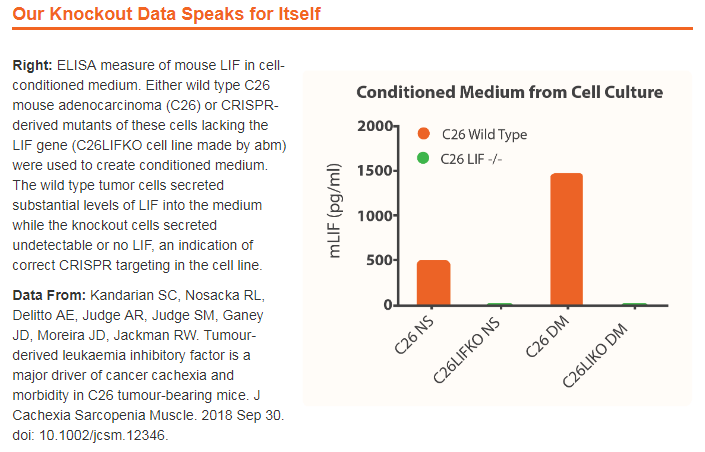
Let's dive into some real-life examples to illustrate the power of CRISPR cell line knockout.
- In one study, researchers used CRISPR to knockout a specific gene in cancer cells, leading to a better understanding of the gene's role in tumor growth. This breakthrough would have been much more challenging to achieve using traditional methods.
- Another example involves the development of disease models using CRISPR, where researchers can mimic genetic mutations associated with various disorders. These models provide valuable insights into disease mechanisms and potential therapeutic targets.
As a biotech lab researcher, I have personally used CRISPR cell line knockout to study the function of specific genes in immune cells, uncovering novel pathways and contributing to the advancement of immunology research.
Potential Challenges and Future Directions of CRISPR Cell Line Knockout
CRISPR technology offers vast potential but also presents specific challenges. Here's a detailed look into both aspects:
Potential Challenges
While the potential of CRISPR cell line knockout is groundbreaking, some challenges need to be addressed:
- Off-Target Effects: This refers to unintended modifications in locations other than the targeted gene. It's a critical area that requires further optimization to ensure precision.
- Delivery Methods: Finding efficient ways to deliver the CRISPR components to the target cells is another challenge that demands additional research and refinement.
Ongoing Efforts to Address Challenges
The biotech community is actively engaged in overcoming these hurdles:
- Research and Development: Scientists are committed to enhancing the precision and efficiency of CRISPR, working on ways to minimize off-target effects and improve delivery mechanisms.
- Collaborative Efforts: The global research community's collective efforts promise more rapid advancements and shared solutions to common challenges.
Future Directions and Emerging Technologies
Looking ahead, the future of CRISPR technology holds exciting prospects:
- Base Editing: An innovative approach that allows researchers to convert one DNA base pair into another, providing more control over gene silencing.
- Prime Editing: A newer technology offering even greater precision by enabling direct and targeted changes to individual DNA letters.
- Expansion of the Gene silencing Toolbox: These emerging technologies are contributing to a broader, more versatile set of tools for gene silencing, promising to take the field to new heights.
While CRISPR cell line knockout offers immense promise, acknowledging and addressing its challenges is vital. The concerted efforts of the biotech community and the emergence of advanced technologies like base editing and prime editing are paving the way for a future where CRISPR could become even more precise, efficient, and widely applicable in various scientific and medical domains.
Embrace the Superiority of CRISPR Cell Line Knockout
In wrapping up, let's take a moment to reflect on the comparison between traditional methods and CRISPR cell line knockout in gene silencing. The insights gained clearly point to the undeniable advantages of CRISPR technology.
Why Choose CRISPR?
- Efficiency: CRISPR offers precision that traditional methods can't match, enabling highly accurate modifications.
- Time-Saving Benefits: Say goodbye to the long, drawn-out processes associated with traditional methods. CRISPR gets the job done in a fraction of the time.
- Cost-Effectiveness: With affordable CRISPR tools readily available commercially, the long-term savings in resources make CRISPR a wise investment.
A Personal Invitation to Researchers and Distributors
- As a pharmaceutical company: Embracing CRISPR technology can redefine the way gene silencing is performed.
- As a Researcher: Integrating CRISPR into your research can truly propel your gene silencing projects to new heights. Think of the possibilities!
Why Settle for Less?
- Go Beyond Tradition: Traditional methods have their place, but CRISPR is the future. It's where the biotech industry is headed, and you don't want to be left behind.
- Unlock the Full Potential: CRISPR isn't just a tool; it's a key to unlocking the full potential of gene silencing.
Join the CRISPR Revolution Today!
At abm, your research success is our mission. We pride ourselves on delivering the most cutting-edge CRISPR products and services, all tailored to meet your specific research demands. With a team of dedicated scientists and technicians who are at the forefront of innovation, we continuously strive to enhance and expand our offerings. From CRISPR cell lines to guide RNA molecules and Cas9 proteins, our comprehensive portfolio is designed to empower your research, driving it to new heights of discovery.
Why continue with methods that are outpaced and outclassed by CRISPR? Join the CRISPR revolution today and revolutionize your research with abm. Make the decision that positions you at the forefront of scientific innovation, and watch as it transforms your approach to gene silencing. The future is here, and it's spelled C-R-I-S-P-R! Don't just take our word for it; explore our website today and see how we can partner with you to make your research goals not just attainable but extraordinary. Visit us now and take your research to the next level!
 |
Written by Claire Johnson, Senior Scientist Claire Johnson, a Senior Scientist at abm, brings an impressive 8 years of expertise to the forefront of CRISPR technology. With a Ph.D. in Molecular Biology, her hands-on experience in CRISPR research has led to innovative gene silencing solutions and significant contributions to the field. Claire's passion for exploring genetics has resulted in numerous breakthroughs, and her ability to translate complex scientific concepts into accessible knowledge makes her a valuable asset to both the research community and abm. Her dedication to excellence continues to inspire and drive the success of the company's mission to revolutionize gene silencing. |
Resources
-
Introduction to CRISPR
CRISPR Knowledge Base -
 CRISPR-Methods and Tools
CRISPR Knowledge Base -
CRISPR-gRNA Design
CRISPR Knowledge Base -
CRISPR for Gene Activation and Repression
CRISPR Knowledge Base
-

CRISPR Experiment Design Tool
CRISPR Tools -

CRISPR Knockout Manual
CRISPR Guides/Manuals -
CRISPR Case Studies
CRISPR Guides/Manuals -
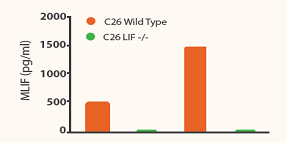
CRISPR KO Results
Product Data