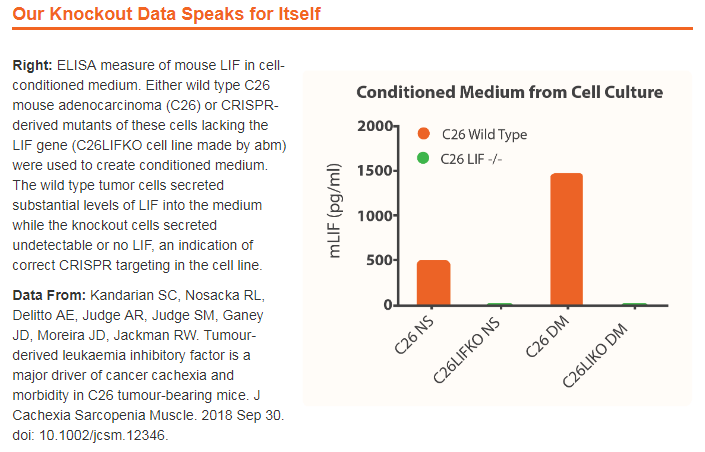

Getting Acquainted: The CRISPR-Cas9 Technology
Whether you are a seasoned researcher or a budding scientist stepping into the realm of genome editing, understanding the intricacies and safety guidelines surrounding CRISPR-Cas9 technology is paramount. Through the lens of my journey, diving into the genetic code to unveil the mysteries of life, I wish to share a roadmap to navigate the CRISPR knockout procedures safely and effectively.
The dawn of my journey into the biotechnological realm was serenaded by the whispers of a groundbreaking discovery - CRISPR-Cas9. It was not just a mere topic of discussion among the scientific community, but a promise of a frontier awaiting us; a frontier where the codes of life could be rewritten, much like a proficient coder refining lines of a complex software. As I delved deeper into the concept, the promise of correcting nature's errors and unveiling pathways to eradicate genetic diseases seemed not just plausible, but within reach. The marvels of CRISPR-Cas9 were akin to the tales of alchemists of yore, with the power to transform the very essence of life.
Why Safety Guidelines?
Before diving into the gene pool, grasping the significance of safety guidelines is crucial. They serve as our compass in the vast ocean of genetic possibilities, ensuring our explorations are conducted safely, ethically, and effectively. The guidelines are more than just rules; they embody collective wisdom and experiences from the scientific community, guiding us away from potential pitfalls and towards a responsible and ethical practice of gene editing. Through these guidelines, the awe-inspiring potential of CRISPR-Cas9 can be explored within a framework that prioritizes safety and ethical considerations, ensuring that our voyage into the realms of genome editing is not just exciting but secure and ethically sound.
Before You Dive In: Pre-Experiment Considerations
Embarking on a CRISPR experiment entails a plethora of decisions and meticulous preparations. Like a well-planned diving expedition, understanding the underwater terrain and having the right gear is crucial for a successful and safe dive into the genetic codes.
Understanding the Target Locus
The target locus in a CRISPR experiment is akin to the dive site in a deep-sea exploration. It's the specific region in the vast ocean of genetic material where we aim to make precise edits. My first endeavor into designing a single guide RNA (sgRNA) was a blend of excitement and caution. The sgRNA is our diving gear, customized to ensure we reach the desired genomic location without veering off course. A well-designed sgRNA is crucial as it guides the Cas9 nuclease to the exact location on the DNA where the edit is intended. Any misdirection can lead to off-target effects, akin to ending up at the wrong dive site, possibly encountering unforeseen and hazardous conditions.
A thorough understanding of the target locus, its surrounding genomic landscape, and potential off-target sites is imperative. This understanding forms the blueprint for designing the sgRNA, ensuring it's tailored to achieve precise and effective gene editing.
Choice of Delivery Method
Selecting the right vessel to transport CRISPR components into the cells is akin to choosing a reliable boat for a voyage across stormy seas. The choice of delivery method is a critical juncture that can significantly impact the success of the gene-editing endeavor. There are various routes to deliver the CRISPR-Cas9 complex into the cells, each with its unique set of advantages and challenges. Viral vectors, lipid nanoparticles, and electroporation are among the common vessels employed. The choice hinges on several factors including the cell type, the extent of editing desired, and the specific objectives of the experiment. Like a seasoned sailor adjusting the sails to suit the wind and waves, a skilled researcher must evaluate the pros and cons of each method, and choose the one that aligns with the experiment’s goals.
My personal voyage into the realm of CRISPR taught me a valuable lesson during my third experiment. The inadvertent choice of a less suitable delivery method resulted in suboptimal delivery of the CRISPR components, akin to a boat struggling against the opposing currents. The lesson was profound, underscoring the essence of an informed and well-thought-out choice of delivery method. It's not just about reaching the genomic shores, but ensuring the journey is effective and efficient, paving the way for the desired genetic alterations. This experience was a lighthouse, guiding subsequent expeditions into the genomic seas, illuminating the importance of a well-suited delivery method in navigating the complex waters of CRISPR-Cas9 gene editing.
Sailing Through: Execution of CRISPR Knockout Procedures
Venturing into the heart of gene-editing requires a robust framework to ensure the journey is both successful and safe. The execution phase is where theory meets practice, and our preparation is put to the test against the turbulent waters of the genomic ocean.
Adhering to SOPs
In any scientific voyage, Standard Operating Procedures (SOPs) are our seasoned sailors, seasoned by countless voyages into the unknown, each line of the protocol refined by the storms of past expeditions. They guide us through the tempestuous seas of gene editing, ensuring we navigate safely through the complex archipelago of cellular and molecular interactions. Adhering to SOPs ensures that every action is deliberate, every reaction is anticipated, and every outcome is within the expected horizon.
The SOPs are our repository of collective wisdom, a distillation of best practices honed over time. They provide a structured approach to the execution of CRISPR knockout procedures, ensuring consistency, accuracy, and safety in every step of the journey. From preparing the CRISPR components to delivering them into the cells and verifying the edits, the SOPs are the unseen hands steadying the helm, ensuring the voyage stays on course amidst the ever-changing tides of the cellular milieu.
Monitoring and Verification
As we set sail on the genomic seas, every alteration we make in the genetic code sends ripples across the vast ocean of genomics. These ripples can unveil new horizons or stir unforeseen storms. Monitoring and verifying our edits is the compass that ensures our ripples harmonize with the rhythm of the genomic ocean rather than stirring tsunamis of unintended consequences.
The monitoring phase is akin to having vigilant lookouts on the crow's nest, scanning the horizon for any signs of off-target effects or unintended alterations. It involves employing various techniques and tools to ensure that our edits are precise, and the genome's integrity remains unscathed. Verification is the anchor that secures our findings, ensuring the edits achieved are in sync with our intended goals.
As we navigate through the execution phase, each alteration, each verification is a step forward in our quest. However, the sea of genomics is vast and unpredictable. Vigilant monitoring and stringent verification are our safeguards against the unseen, ensuring that as we sail towards the horizon of genetic understanding, our voyage is sound, safe, and scientifically solid. Through meticulous adherence to SOPs and rigorous monitoring and verification, we ensure that our journey through the CRISPR knockout procedures is both triumphant and enlightening.
Reflecting on The Journey: Post-Experiment Assessment
Much like the calm that follows a storm, the post-experiment phase is a time of reflection and assessment. It’s where we take stock of our voyage, identify the discoveries made, and map out the course for future expeditions.
Detecting Unwanted Visitors: Off-Target Effects
As a fledgling voyager in the realm of CRISPR, the early days were filled with both awe and a whisper of fear. The fear was primarily of the unseen, the unexpected off-target effects, which are akin to unwanted visitors that could veer our genetic voyage off course. These unintended genetic alterations were the ghost ships of my CRISPR journey, lurking amidst the genomic waves.
However, as time sailed on and experience was garnered, the task of detecting and mitigating these unwanted visitors became a structured endeavor. Post-experiment assessments were the lighthouses, shedding light on the dark corners of off-target effects. Employing various techniques like Next Generation Sequencing (NGS) and computational tools helped in not just identifying these off-course events, but also understanding their origin, allowing for better preparation and prevention in subsequent voyages. The ghost ships were no longer feared but acknowledged and accounted for, ensuring the safety and accuracy of our genetic explorations.
Evaluating The Expedition: Efficiency and Specificity
Every successful gene edit was a discovered treasure, bringing with it a rush of euphoria. However, the true essence of success lay in the efficiency and specificity of these edits. Evaluating these parameters is akin to charting the success of our voyage, ensuring that the course taken was not just exhilarating but precise and effective.
The efficiency of gene editing refers to the rate at which the desired genetic alterations were achieved, while specificity relates to the accuracy of these alterations. A high level of specificity ensures that the edits were confined to the intended target locus, with minimal to no off-target effects.
Employing various analytical tools and techniques, each edit was scrutinized, and each outcome was evaluated against the intended goals. This post-experiment assessment was not just a reflection on the success of the current voyage but a compass setting the course for future expeditions.
The voyage through the CRISPR seas is a continuous journey of learning, adaptation, and evolution. Each post-experiment assessment is a stepping stone, building towards a future where the promise of CRISPR is fully realized, navigating through the genomic waters with precision, efficiency, and a robust framework of safety and ethics.
Beyond The Horizon: Advanced Safety Protocols
In the ongoing voyage of genomic exploration, the horizon continually expands as we venture into deeper waters. Advanced safety protocols are the evolved compasses and seasoned captains guiding us through these uncharted territories, ensuring that our journey is not just fruitful but also secure and ethical.
The ASSURED Protocol
Embarking on the ASSURED protocol felt like bringing a seasoned captain on board our genomic vessel. This protocol is akin to a well-charted map mixed with the wisdom of an experienced navigator, streamlining the journey towards the desired genetic destinations. It encapsulates a structured approach ensuring that every step of the gene-editing process is conducted under a safety umbrella, minimizing the risks while maximizing the outcomes.
The ASSURED protocol is a consolidation of best practices, refined methodologies, and a systematic approach towards CRISPR-Cas9 gene editing. It's like having a vigilant captain who has sailed through tumultuous genomic seas and come back with a treasure trove of wisdom. Implementing this protocol streamlined our experimental procedures, ensuring a harmonious blend of safety, efficiency, and success in our endeavors to unlock the genetic secrets that lay in the abyss.
Navigating The Ethical Seas: Regulatory and Ethical Considerations
As we delve deeper into the genetic frontier, the shimmering shores of innovation often beckon. However, it's the scales of ethics and safety that ensure our voyage remains honorable and grounded in the sanctity of life.
Balancing Innovation with Safety
The quest for knowledge and the allure of genetic innovation is a powerful drive. However, balancing this drive with a profound respect for safety and ethical considerations is what ensures our journey is righteous and beneficial. It's akin to having a moral and ethical compass, keeping our genomic vessel on a course that honors the essence of life even as we explore its profound mysteries.
Navigating the regulatory seas is a crucial aspect of this balance. Adhering to established regulations, engaging with ethical discourse, and ensuring transparency in our endeavors are the pillars that uphold the integrity of our journey. It's a fine balance, ensuring the scales tip neither too far towards unbridled innovation nor stifling over-caution.
The voyage through the genetic frontier is laden with promise, yet also demands a solemn respect for the ethical and safety guidelines that have been established. As we sail further, with the winds of innovation filling our sails, the compass of ethics and safety ensures our journey is meaningful, responsible, and contributes positively to the grand tapestry of scientific exploration.
Docking Safely
As we anchor at the shores of knowledge after an exhilarating voyage through the CRISPR seas, revisiting the safety guidelines and protocols is not merely a recapitulation, but a solemn pledge. It's a pledge to uphold the highest standards of safety, ethics, and innovation as we set sail again into the vast genetic frontier. Our journey through the realms of CRISPR technology is a blend of excitement, responsibility, and an unyielding quest for knowledge. It's a voyage that promises not only exhilarating discoveries but the beacon of hope for a better tomorrow.
However, the promise of the horizon is fully realized only when navigated with a well-charted map of safety guidelines. These guidelines are our steadfast companions, ensuring that as we unravel the mysteries of life at a molecular level, we do so with a profound respect for the sanctity of life and an unwavering commitment to the ethical and safe practice of science. Our quest for genetic understanding is a noble endeavor, and with a robust framework of safety protocols, it's a voyage that holds the potential to illuminate the path towards a future brimming with possibilities and discoveries that can redefine our tomorrow.
 |
Written by Claire Johnson, Senior Scientist Claire Johnson, a Senior Scientist at abm, brings an impressive 8 years of expertise to the forefront of CRISPR technology. With a Ph.D. in Molecular Biology, her hands-on experience in CRISPR research has led to innovative gene silencing solutions and significant contributions to the field. Claire's passion for exploring genetics has resulted in numerous breakthroughs, and her ability to translate complex scientific concepts into accessible knowledge makes her a valuable asset to both the research community and abm. Her dedication to excellence continues to inspire and drive the success of the company's mission to revolutionize gene silencing. |
Resources
-
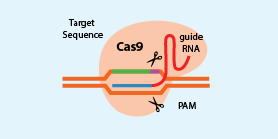
Introduction to CRISPR
CRISPR Knowledge Base -
 CRISPR-Methods and Tools
CRISPR Knowledge Base -
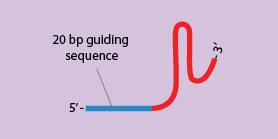
CRISPR-gRNA Design
CRISPR Knowledge Base -
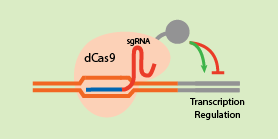
CRISPR for Gene Activation and Repression
CRISPR Knowledge Base
-
CRISPR Experiment Design Tool
CRISPR Tools -
CRISPR Knockout Manual
CRISPR Guides/Manuals -
CRISPR Case Studies
CRISPR Guides/Manuals -
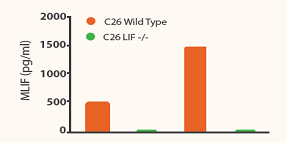
CRISPR KO Results
Product Data